


Digital Asset Treasury (DATs)
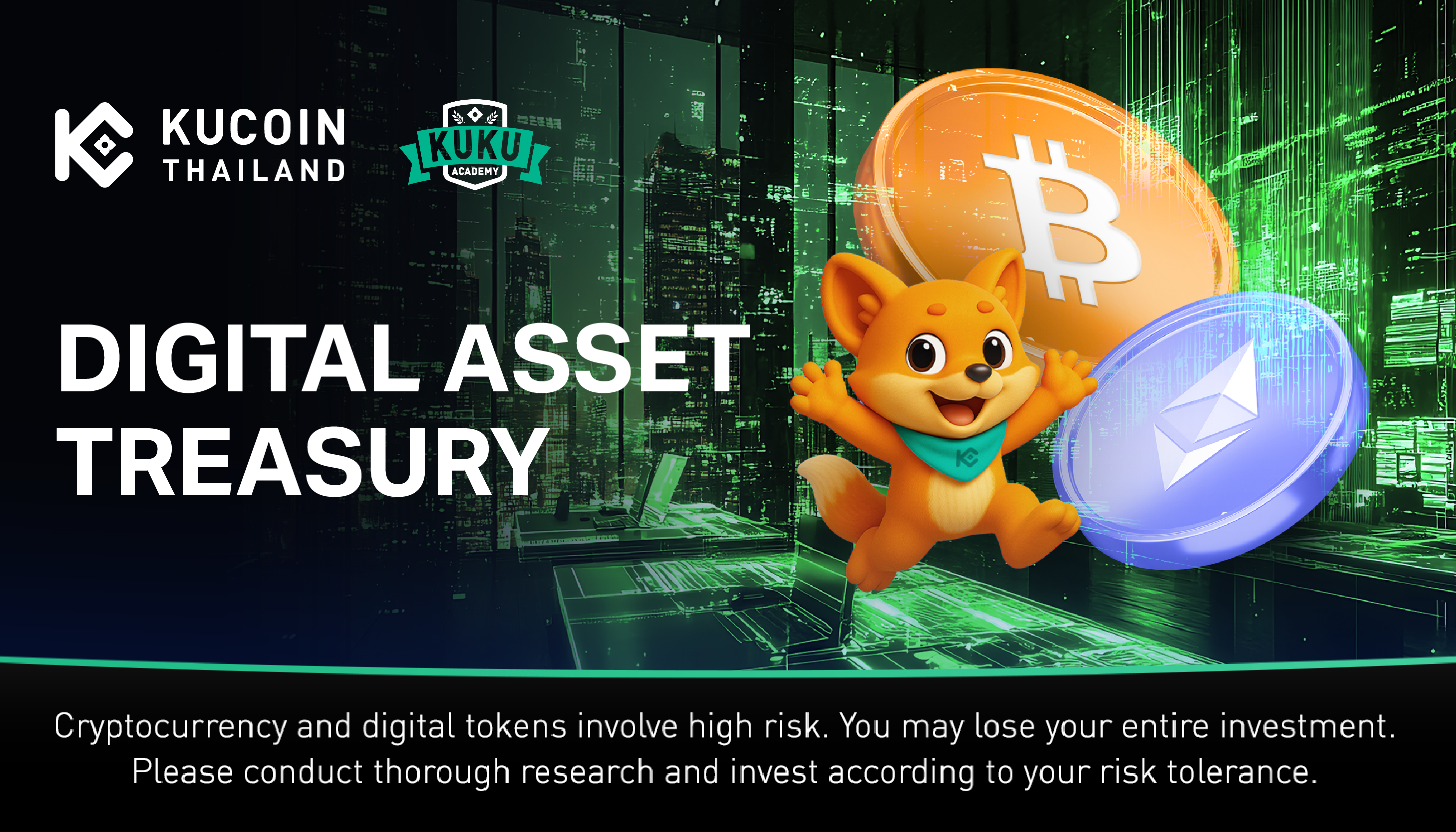
What is Digital Asset Treasury?
Digital Asset Treasury (DAT) refers to the policy framework, organizational structure, accounting processes, and internal controls that an organization uses to hold, manage risk, and conduct transactions involving digital assets such as cryptocurrencies, stablecoins, utility/security tokens, and NFTs. The objectives include liquidity management, investment, or supporting the organization’s digital strategy. This concept combines the traditional role of “treasury” (cash and financial risk management) with blockchain technology and new legal frameworks governing digital transactions—both in Thailand under the Emergency Decree on Digital Asset Businesses B.E. 2561 (2018) and internationally, such as the MiCA Regulation of the European Union, which will be fully enforced by the end of 2024. These regulations affect how organizations hold assets, disclose information, and manage risk standards.
How is the core technology of DAT designed?
The concept builds on secure wallet architecture and key management systems. In Thailand, regulations require custodians to have a written risk management policy, define procedures for wallet and key management, and prepare contingency plans, testing, reporting, and digital forensic measures in case of incidents affecting the security of customer asset custody systems.
What governance structure should organizations adopt for DAT?
Organizations considering DAT should follow governance principles by creating Three Lines of Defense and clear segregation of duties:
-
(a) Board Level: Establish a Digital Asset Treasury Subcommittee to set the organization’s risk appetite and approve related policies.
-
(b) Operational Level: Set up units such as Front Office, Operations, and Wallet Ops to execute transactions under policy, with multi-level approval systems.
-
(c) Oversight Level: Include Risk & Compliance or Internal Audit units to monitor compliance and control effectiveness. Thailand has strengthened corporate governance standards for digital asset businesses, such as role segregation and check-and-balance measures to protect investors.
What is the role of Digital Wallet Providers?
The SEC allows specialized custodial service providers to operate but requires independence to prevent conflicts of interest, effective from January 16, 2025. Organizations can manage assets directly (on balance sheet) or through SPVs/Treasury Centers for risk, tax, and accounting purposes. Transactions must go through licensed operators and comply with laws, including asset segregation and fair practice measures.
What other regulatory developments are relevant?
Thailand continues to update rules (e.g., sandbox programs and programmable payment guidelines) to support digital financial innovation while maintaining stability and consumer protection. These developments significantly influence treasury structure design and partner selection in transaction chains.
What international standards must be considered?
Companies planning DAT must also comply with FATF standards and the Travel Rule, especially for cross-border digital asset transfers. If service providers are based in the EU, organizations must consider the legal implications of MiCA, which takes full effect on December 30, 2024, setting standards for disclosure, authorization, supervision, and market abuse prevention.
⚠️ Disclaimer: Cryptocurrency and digital token involve high risks; investors may lose all investment money and should study information carefully and make investments according to their own risk profile.
KuCoin Thailand
(Operated by ERX Company Limited)
Email: happy@kucoin.th
- Website: www.kucoin.th
- Facebook: facebook.com/KuCoinThailand
- Facebook Community Group: facebook.com/groups/kucointhailandcommunity
- LINE Official Account: @KuCoinThailand
- Instagram: Kucointhailand
- X (formerly Twitter): x.com/KuCoinThailand
- Telegram: @KuCoinTH_Official
📲 Download the KuCoin Thailand app today!
👉 Click here to download Available now on both the Thailand App Store and Play Store.