

What is the Metaverse? Get to know the virtual world and new opportunities in the digital age.
Metaverse, a virtual world powered by VR, AR, and Blockchain technologies, offers new experiences for people to live in the digital world.
What is the Metaverse?
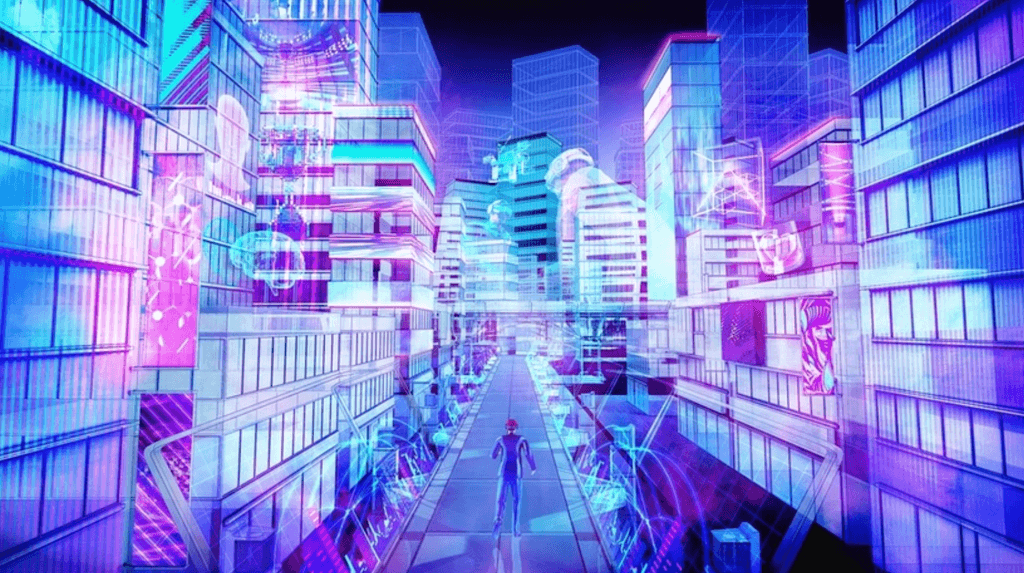
Image courtesy of elearningindustryl
Metaverse is a virtual world (Virtual World) created using advanced computer technologies, enabling people to live, interact, and engage in activities as if they were in the real world. This includes working, meeting friends, playing games, or even starting a business. Everything happens within a digital environment where users can participate in real-time.
To put it simply, what is the Metaverse? It is a digital universe that combines Virtual Reality (VR), Augmented Reality (AR), Blockchain, and Internet 3.0 (Web3) technologies, allowing users to feel as if they are entering another dimension of the internet—not just observing through a screen, but having a real presence through their own Avatar.
Additionally, the Metaverse is also considered a digital economy where people can earn income, invest in digital real estate (Virtual Land), purchase NFT collectibles, or even trade cryptocurrencies such as Bitcoin or Ethereum in a real and functional way.
The Origins and Evolution of the Metaverse
The concept of a virtual world has a long history, developing over several decades from imaginative ideas in literature to tangible technologies available today.
Early Era: 1992

Image courtesy of thediscerningwriter
The concept of the Metaverse first appeared in the famous sci-fi novel *Snow Crash* (1992) by American author Neal Stephenson.
In the story, the Metaverse is a virtual world (Virtual World) where people can live, carry out activities, and interact with each other through digital identities or Avatars.
This novel is considered the starting point of the imagination of a digital world where people can truly exist.
Experimental era: 2000s
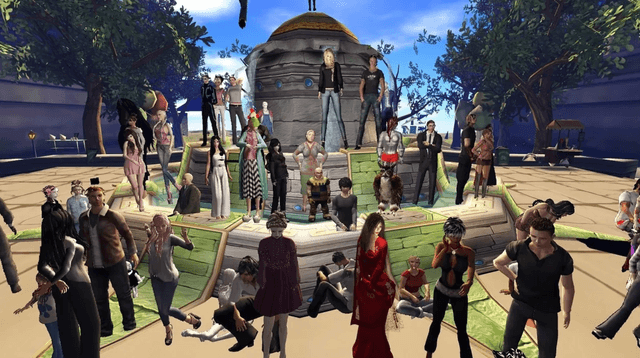
Image courtesy of techprincess
Online games and virtual platforms like Second Life (2003) allowed players to create avatars, build homes, work, trade goods, and live in a digital world.
This marked the beginning of the digital economy.
Blockchain Technology Era: 2010s

As AR (Augmented Reality), VR (Virtual Reality), and XR (Extended Reality) technologies rapidly develop, users are increasingly able to experience virtual worlds. Meanwhile, the introduction of blockchain and cryptocurrency allows users to own and hold assets with transparency and verifiability.
Web3 Era: 2020s
In the Web2 era, the internet is the primary platform for social media and large platforms like Facebook, YouTube, and Instagram. Users are primarily content creators or consumers of information, and control and storage of most data are in the hands of companies, not users themselves.
With the advent of Web3, blockchain technology has enabled users to truly own their data and digital assets through a decentralized system.
Technologies Behind the Metaverse
-
Virtual Reality (VR) – Simulating virtual worlds through head-mounted devices
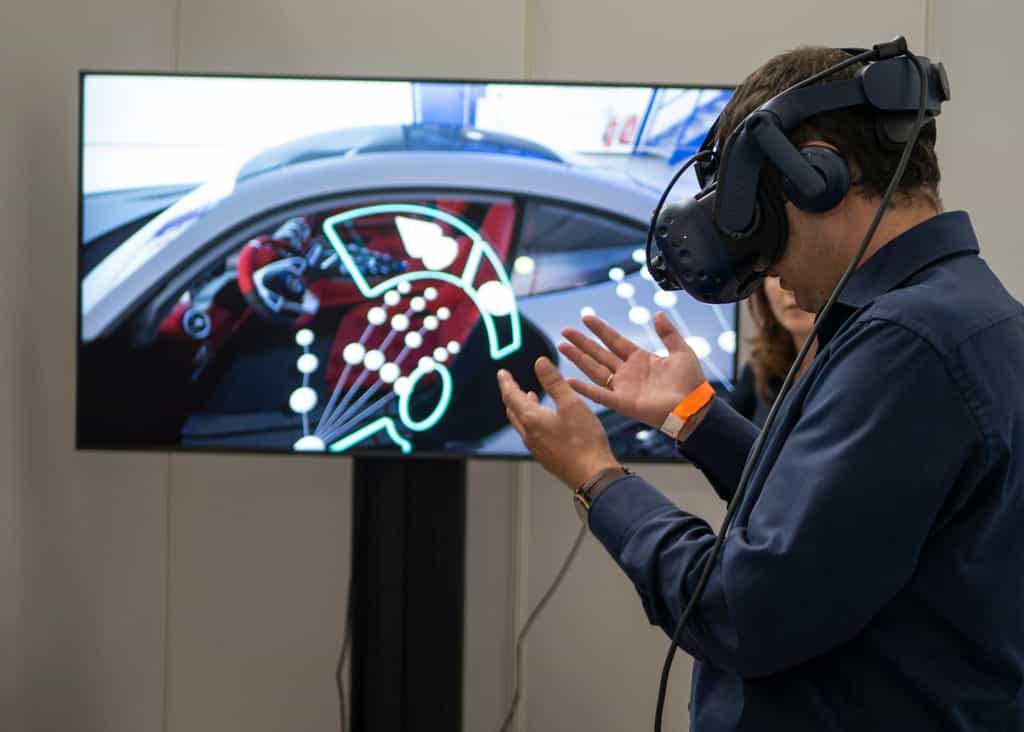
Virtual Reality (VR) is a technology that creates a 3D virtual environment, allowing users to immerse themselves in the world through devices such as VR headsets. It provides realistic experiences of vision, movement, and interaction within the virtual world.
-
Augmented Reality (AR) – Blending the real world with digital content

Augmented Reality (AR) doesn’t create a new world like VR, but merges virtual objects into the real world as seen by the user through mobile cameras or AR glasses. A clear example is the game Pokémon GO or AR makeup try-on features in shopping apps.
-
Extended Reality (XR) – Integration of AR and VR
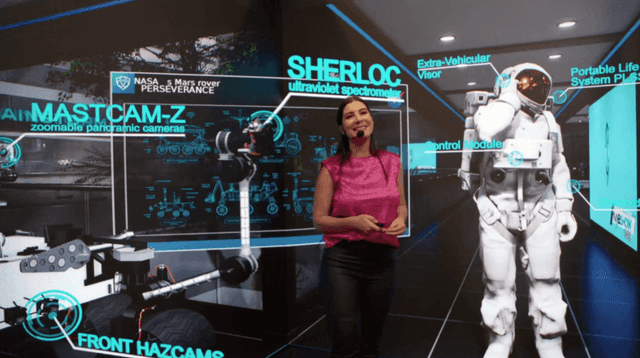
Extended Reality (XR) is a term encompassing both AR and VR, enhancing the flexibility of virtual experiences. Users can switch between fully immersive virtual worlds and interacting with virtual objects layered over the real world seamlessly, making XR a bridge between reality and the Metaverse.
-
Blockchain and NFT – Foundation for ownership verification

Blockchain is the technology behind cryptocurrencies, and in the Metaverse, it is used to verify ownership of digital assets. This allows users to hold, trade, or sell digital property safely without intermediaries.
-
AI and Cloud Computing – Creating realistic and seamless experiences
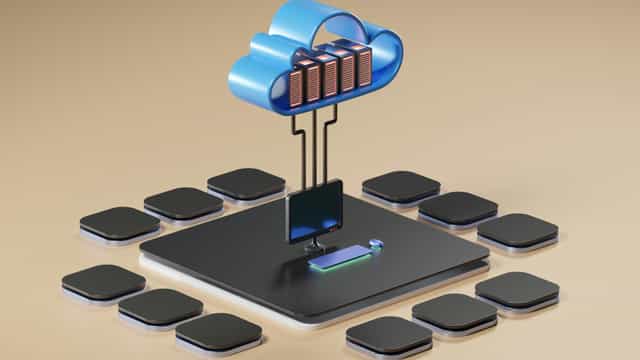
Meanwhile, Cloud Computing provides the infrastructure to process the large amounts of data in the Metaverse, making it accessible anytime and anywhere without requiring high-spec computers.
What does the Metaverse look like today?
-
Decentraland
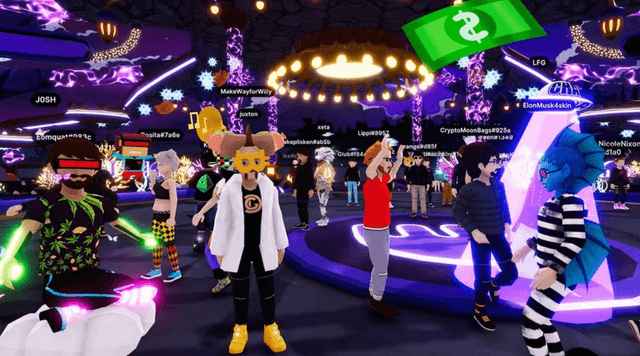
Image courtesy of forbes
Decentraland has its own economy, allowing players to trade, buy, or rent land and digital assets safely. Users can also organize events like virtual concerts, art exhibitions, or business meetings.
-
The Sandbox
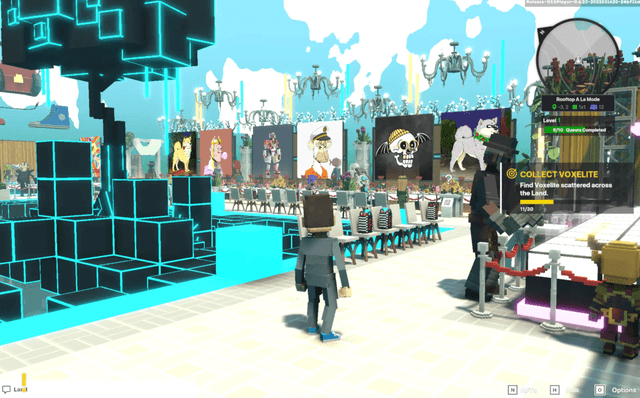
Image courtesy of decrypt
The Sandbox is another virtual platform focusing on user-generated content. Users can design games, create avatars, build maps or activities, and trade assets using the SAND token.
This platform is ideal for creators and game developers, while also allowing investors to own virtual land or digital items.
-
Roblox
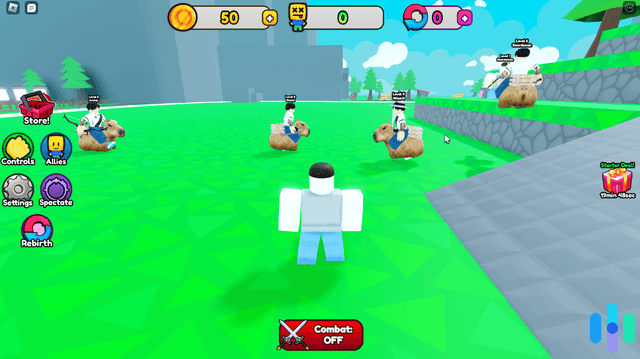
Image courtesy of security
Roblox combines online gaming and content creation. Users can create their own games or join games made by others.
Its advantage is accessibility, suitable for all ages, and requires no advanced technical skills. Roblox emphasizes interaction and online community more than digital asset ownership or economy.
-
Horizon Worlds
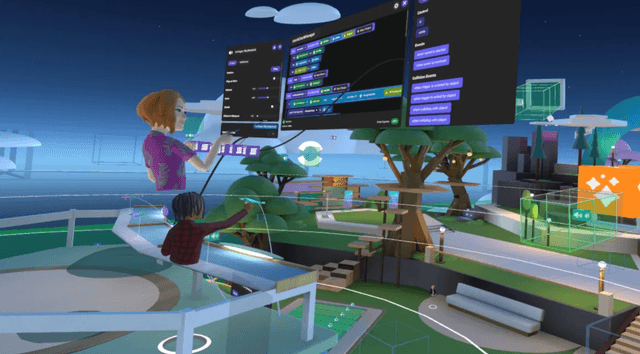
Image courtesy of edition.cnn
Developed by Meta, Horizon Worlds focuses on communication and virtual meetings. Users can create spaces for meetings, collaborate with colleagues, host social events, or meet people worldwide.
The platform supports customizable avatars and 3D spaces, giving users the feeling of being in the same room.
How the Metaverse Works
-
Avatar
Users begin by creating a digital avatar that represents themselves, customizing appearance, clothing, gestures, and accessories to reflect individuality.
Once in the virtual world, users can walk, talk, meet, and participate in activities with others as if they were in the same physical space.
-
Digital Economy & Token
The Metaverse has a digital economy driven by cryptocurrencies such as MANA (Decentraland), SAND (The Sandbox), or stablecoins tied to real-world value.
Users can use tokens to buy avatar outfits, purchase land, open shops, or trade other digital assets. Some platforms allow users to earn real income from selling assets they create, like art or in-game items.
-
Blockchain
Blockchain underpins the Metaverse, acting as a digital ledger recording all transactions transparently and verifiably.
All virtual assets—land, equipment, or art—can be tokenized as NFTs to prove ownership and prevent forgery.
Benefits of the Metaverse
Many industries have started adopting Metaverse technologies to enhance efficiency and create new opportunities for individuals and organizations.
Education
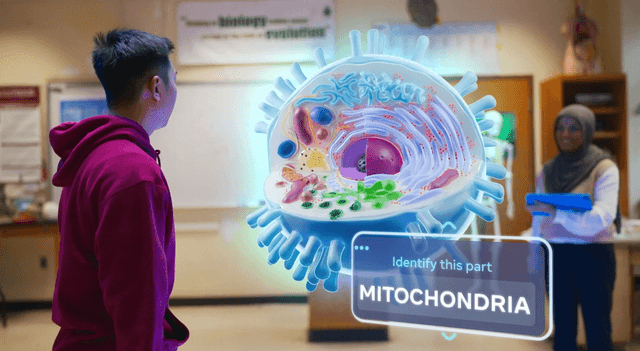
Image courtesy of linezero
-
Metaverse enables students and educators to experience new learning methods, such as virtual labs for science or 3D museum field trips.
Examples:
-
Universities like Stanford and Seoul University have experimented with interactive learning in the Metaverse.
-
Main benefits: Increased student engagement, overcoming location limitations, and easier understanding through 3D simulations.
Business
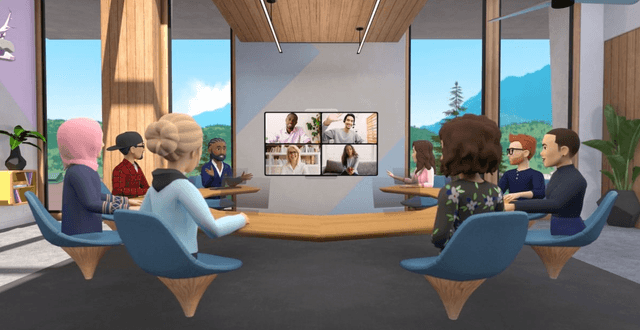
Image courtesy of metamandrill
Companies worldwide are using Metaverse to create virtual offices where employees can meet, communicate, and collaborate without being in the same physical location.
-
Example: Meta launched Horizon Workrooms for VR meetings.
Main benefits: Reduced physical space costs, enhanced flexibility for remote work, and immersive communication experiences.
Entertainment & Media
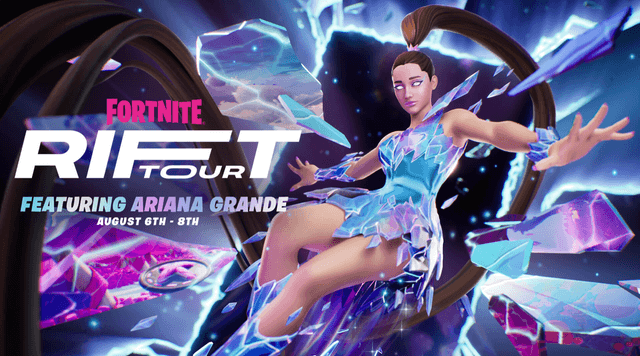
Image courtesy of fortnite
Metaverse transforms entertainment into participatory experiences. Users can attend concerts, fashion shows, or events as if they were there.
Examples: Travis Scott and Ariana Grande held virtual concerts in Fortnite, reaching tens of millions globally.
Main benefits: Global reach without location limits and new marketing opportunities for brands.
Healthcare

Image courtesy of taliun
-
Metaverse is used in healthcare for training doctors and students in safe simulated environments and for patient therapy.
-
Examples: FundamentalVR provides VR surgical training; VR therapy is used for depression and PTSD treatment.
Main benefits: Reduces risk in real-life practice, improves treatment techniques, and enhances medical training efficiency.
Real Estate
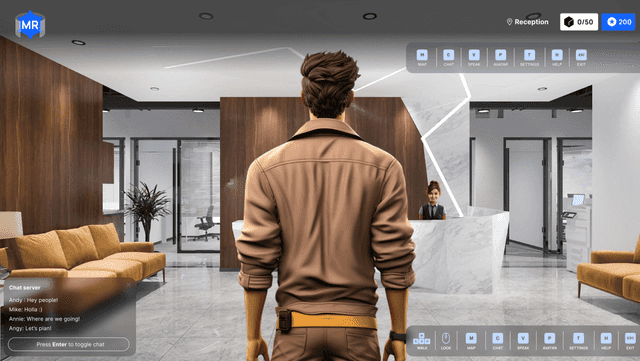
Image courtesy of aetsoft
Metaverse enables a new form of digital real estate where users can buy, sell, or develop virtual land for buildings, offices, or galleries.
Examples: Using Metaverse to simulate projects before actual construction allows clients to explore homes or condos virtually.
Main benefits: Improves sales efficiency, reduces development costs, and opens new digital asset markets.
Summary table of benefits of Metaverse
|
Category |
Main Benefits |
Use Case Examples |
|
Education |
Create immersive learning experiences, easier to understand and more engaging |
VR classrooms, virtual field trips |
|
Business |
Meet and collaborate in virtual offices, reducing location constraints |
Virtual Office, meetings in Horizon Workrooms |
|
Entertainment |
Participate in events, concerts, or fashion shows in the virtual world |
Concerts by Travis Scott / Ariana Grande in Fortnite |
|
Healthcare |
Practice surgery in a simulated environment, safe and realistic |
VR surgical training systems, virtual therapy (VR Therapy) |
|
Real Estate |
Simulate projects and trade digital land |
Virtual Property Tour |
How Metaverse Benefits the Economy and Technology
1. Creates Opportunities for New Businesses
Metaverse is a space where anyone can start a business, without limitations on location or business size. Examples include:
-
Creating and selling NFTs (Non-Fungible Tokens) to own digital art, music, or fashion
-
Developing games in the virtual world where players can earn real income from playing
-
Opening virtual stores to sell 3D products and host interactive marketing activities
2. Creates New Careers in the Digital World
As Metaverse grows, new career opportunities emerge that didn’t exist before, such as:
-
Virtual Designer: designs clothing and items for avatars
-
Avatar Developer: develops and designs digital identities
-
Metaverse Architect: designs buildings, cities, or spaces in the virtual world
3. Promotes the Digital Economy
Metaverse accelerates the growth of the digital economy in multiple dimensions, including:
-
Connecting consumers worldwide into a single market
-
Developing digital infrastructure such as 5G networks and Cloud Computing
-
Creating new financial innovations, such as using Cryptocurrency or DeFi (Decentralized Finance) within the virtual world
The Relationship Between Metaverse and Cryptocurrency
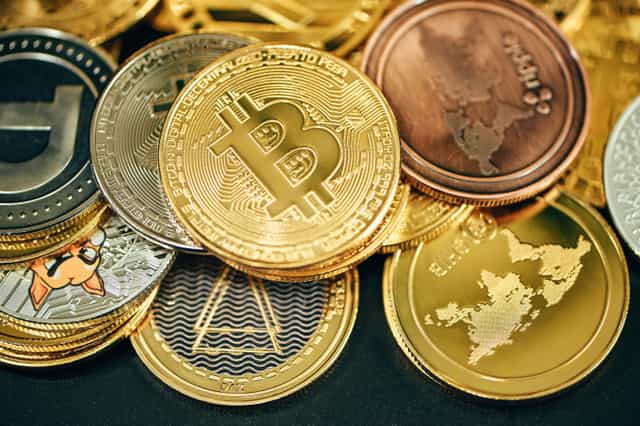
Each Metaverse platform has its own native digital token, acting as a central currency for buying, trading, and investing.
In addition to digital tokens, NFTs are a crucial element that allows users to own various assets within the game. Each item can be bought, sold, traded, or transferred to others transparently via blockchain.
For those interested in investing in Metaverse tokens such as MANA, SAND, or AXS, they can be traded on KuCoin Thailand, one of the major cryptocurrency exchanges in Asia. It supports trading in a wide range of Metaverse tokens with a secure and user-friendly system.
Opportunities and Challenges of the Metaverse
Although the Metaverse offers high-potential immersive experiences, there are still technological and infrastructure limitations that need to develop alongside it.
Advantages of the Metaverse
-
A Borderless World: People from all over the world can connect, meet, and participate in activities in virtual spaces.
-
Increased Opportunities for Learning and Remote Work: Educational institutions and businesses are beginning to use the Metaverse to enable more effective communication and interaction than traditional methods.
Challenges of the Metaverse
-
High Cost of Technology and Equipment: Devices such as VR headsets or motion controllers are still expensive, limiting access to certain user groups.
-
Privacy and Data Security Concerns: Collecting user data, especially biometric data such as movements, voice, or behavior patterns, may pose vulnerabilities if robust security systems are not in place.
Metaverse and the Future of the Digital World (2025–2030)
Leading consulting firm McKinsey estimates that the value created by Metaverse-related activities could reach several trillion dollars by 2030, reflecting business opportunities across multiple sectors.
Grand View Research predicts significant growth in the AR market with a high CAGR between 2025–2030. Additional reports from ResearchAndMarkets and industry research firms estimate that business opportunities around the Metaverse could expand to hundreds of billions to nearly a trillion dollars by 2030.
Expansion of AR Glasses and Immersive Experience Technology
One key factor bringing the Metaverse closer to everyday life is the increasing accessibility of AR glasses, smart glasses, and immersive devices. The AR device market is expected to grow rapidly, evidenced by major companies like Snap, Meta, and Apple planning to launch AR glasses to consumers more widely.
Integration with Web3 and the Role of AI Assistants in the Future
The Metaverse will grow alongside Web3, with NFTs and tokens serving as the main mechanism for creating value and verifying ownership of digital assets within the virtual world. AI will act as personal assistants (AI assistants/agents) in the Metaverse, helping to guide, customize experiences, handle transactions, and manage data privately according to user context. This will also make the Metaverse experience more immersive and seamless.
Examples of interesting Metaverse projects in 2025
1. Decentraland (MANA)
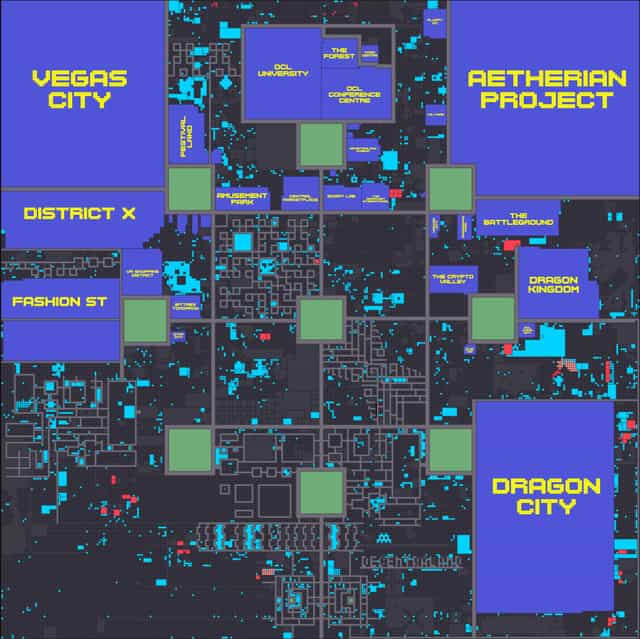
Image courtesy of news.bitcoin
Decentraland is a virtual world platform built on the Ethereum blockchain, allowing users to purchase virtual land (Virtual Land) as NFTs and directly create activities, set up stores, or even host events within that space.
This platform is one of the most popular Metaverse projects among content creators and investors, due to its virtual land model that offers opportunities both for activities and revenue generation.
2. The Sandbox (SAND)
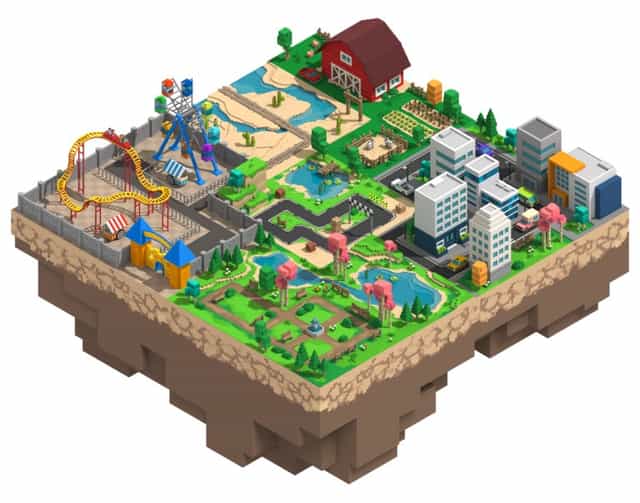
Image courtesy of metaverse.properties
The Sandbox is a virtual world focused on creating and sharing user-generated content, where players can design games, create avatars, participate in activities, and use the SAND token as the primary currency for trading digital assets within the platform.
The Sandbox consists of LAND (virtual land), ASSETS (digital items), and user-created activities, providing high flexibility and opening new opportunities for digital business.
3. Axie Infinity (AXS)
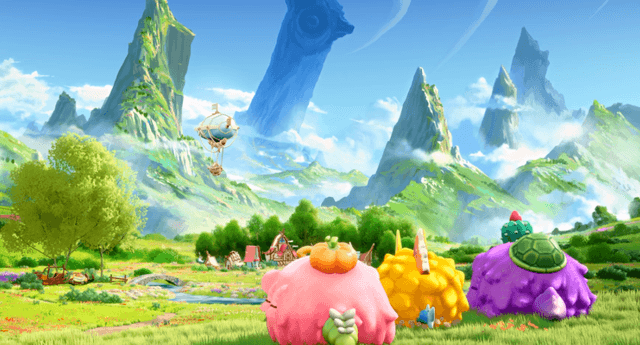
Image courtesy of playtoearn
Axie Infinity is a Metaverse game that uses the Play-to-Earn model. Players buy or collect digital creatures (Axies), which are NFTs, to train, compete, or breed and create value. These Axies can then be sold or traded using the game’s native token, AXS.
Beyond regular gameplay, Axie Infinity also has an in-game economy in which players actively participate, such as staking AXS tokens, voting on platform development, and engaging in the game’s NFT marketplace.
4. Horizon Worlds (from Meta Platforms)
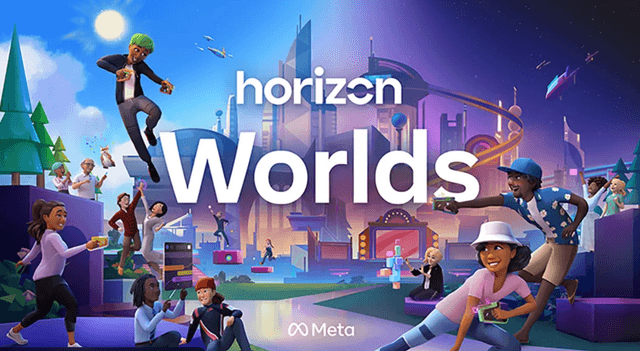
Image courtesy of techcrunch
Horizon Worlds is a virtual world platform developed by Meta, focusing on communication, social interaction, and creating private spaces for users through avatars.
Users can create their own virtual worlds or rooms, participate in social activities, or even collaborate with others in a virtual environment. The platform supports both VR systems and web access via computers or mobile devices.
How to get started in the Metaverse
Entering the Metaverse is not as difficult as it seems, because many platforms are designed to be as user-friendly as playing a game or using social media. Below are the basic steps that beginners can follow to step into the Metaverse immediately:
-
Create an account on a Metaverse platform
Choose your desired platform, such as Decentraland, The Sandbox, or Horizon Worlds, and sign up. Generally, you can register using just an email or connect via a digital wallet to log in. -
Create your own Avatar
An avatar is a digital representation of yourself in the virtual world. You can customize its appearance, clothing, or accessories according to your style. Some platforms also allow purchasing outfits and items as NFTs, giving users true ownership. -
Prepare a Digital Wallet (Crypto Wallet)
Transactions in the Metaverse require a digital wallet, such as MetaMask or Trust Wallet, to connect to the platform, trade tokens, and store digital assets like NFTs or virtual land. -
Purchase Metaverse Tokens via KuCoin Thailand
Each platform has its native token, for example:-
MANA for Decentraland
-
SAND for The Sandbox
-
AXS for Axie Infinity
-
-
Users can buy these tokens through a trusted exchange like KuCoin Thailand, which supports trading various Metaverse tokens with a secure and easy-to-use system.
-
Start exploring and creating in the virtual world
Once everything is ready, users can explore cities, join events, build houses or shops, and even start a business in the digital world immediately.
FAQ – Frequently Asked Questions about the Metaverse
Q1: What is the Metaverse, and how is it different from the regular online world?
The Metaverse is a virtual world where people can live, work, socialize, and participate in activities within a 3D digital environment. It differs from the regular online world in that users can have a real presence and own assets within the virtual world.
Q2: What technologies power the Metaverse?
The Metaverse is driven by multiple technologies, including:
-
VR (Virtual Reality): Simulates immersive experiences
-
AR (Augmented Reality): Blends the real world with digital images
-
Blockchain and NFT: Verify ownership of assets
-
AI and Cloud Computing: Ensure smooth and realistic interactions
Q3: How is the Metaverse useful in daily life?
The Metaverse opens new possibilities for learning, working, and socializing, such as:
-
Hosting meetings or attending classes in virtual spaces
-
Playing games and earning income through NFTs
-
Building digital businesses, such as online stores within the virtual world
Q4: Is the Metaverse related to cryptocurrency?
Yes, directly. The Metaverse’s economy uses digital currencies (Cryptocurrencies) like MANA, SAND, and AXS to buy and sell goods, services, or virtual land. NFTs are also used to verify ownership of assets within the virtual world.
Q5: How can someone get started in the Metaverse?
-
Create an account on a Metaverse platform (e.g., Decentraland or The Sandbox)
-
Create your own avatar
-
Connect a digital wallet, such as MetaMask
-
Purchase platform tokens via KuCoin Thailand
-
Join activities, build, or explore the virtual world immediately
Summary: What is the Metaverse?
The Metaverse is a virtual world that seamlessly blends the boundaries between the real and digital worlds. People can live, meet, work, learn, or build businesses in an open and limitless environment.
The core of the Metaverse lies in VR (Virtual Reality), AR (Augmented Reality), AI (Artificial Intelligence), and Blockchain, which together create a digital economy where users can truly own assets.
⚠️ Disclaimer: Cryptocurrency and digital token involve high risks; investors may lose all investment money and should study information carefully and make investments according to their own risk profile.
KuCoin Thailand
(Operated by ERX Company Limited)
Email: happy@kucoin.th
- Website: www.kucoin.th
- Facebook: facebook.com/KuCoinThailand
- Facebook Community Group: facebook.com/groups/kucointhailandcommunity
- LINE Official Account: @KuCoinThailand
- Instagram: Kucointhailand
- X (formerly Twitter): x.com/KuCoinThailand
- Telegram: @KuCoinTH_Official
📲 Download the KuCoin Thailand app today!
👉 Click here to download Available now on both the Thailand App Store and Play Store.