
Cold Wallet Breached? Unmasking the "Test Transfer" Approval Scam
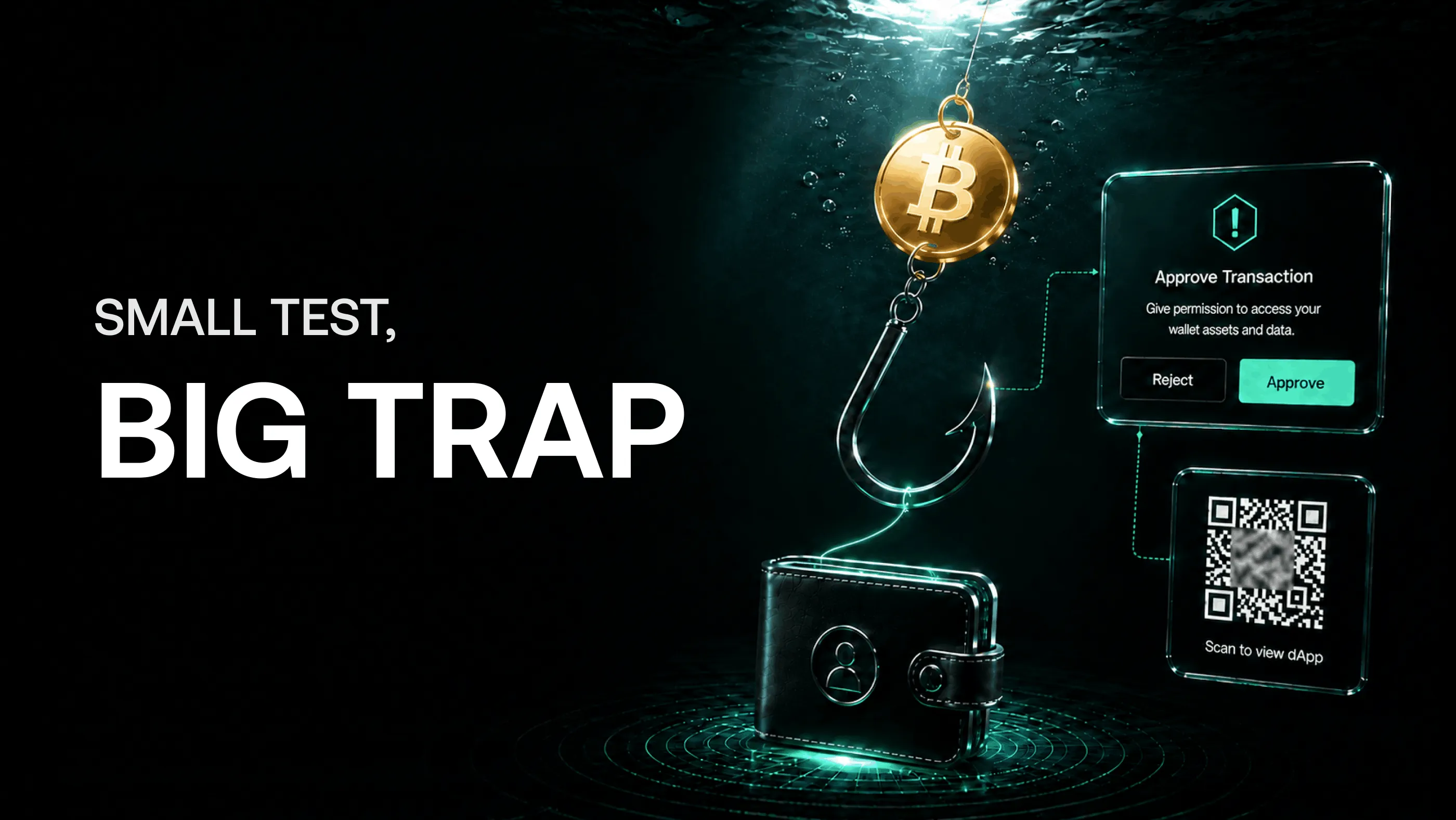
Many investors believe that as long as they use a cold wallet, hand-write their seed phrase, never click suspicious links, and never scan unknown QR codes, their assets are completely safe. However, a highly targeted new type of scam exists specifically designed to exploit these "security-conscious" users. This article uses a real case to dissect how scammers leverage the psychological trap of a "small test transfer" to bypass all traditional defenses and steal assets from wallets that users believe are highly secure.
🔍 Case Study: The Approval Trap During an In-Person Transaction
The following is a real case widely discussed in the community. The victim used a Bitpie wallet and believed they had taken all necessary security measures, yet still lost their funds.
| Item | Details |
| Victim's Situation | Used a Bitpie wallet with a hand-written physical backup of the seed phrase, never stored online; never clicked any approval links; had never scanned suspicious QR codes or interacted with suspicious approval links before this transaction; had confirmed on the TRON network (TRC) that there were no wallet approvals in place. |
| Transaction Counterparty | Buyer B wanted to purchase U (USDT) from Victim A. |
| Incident Timeline | 1. Test Transfer Phase: B requested that A first send a 10 USDT test transfer, claiming it was "to avoid sending to the wrong address for the large transfer later." A, thinking the amount was tiny and the transaction was in person, scanned B's QR code and completed the transfer. 2. Formal Transaction Phase: After the test succeeded, A received cash from B and then transferred the remaining USDT to the address B provided. 3. Quiet Period: No abnormalities were detected in the wallet at that time. A believed the transaction had gone smoothly. 4. The Theft: The next day, after A transferred more funds into that same cold wallet, the assets were immediately and completely drained. |
| Critical Vulnerability | When A scanned the QR code for the "test transfer," they unknowingly signed a malicious contract approval. This approval was not for the 10 USDT being sent at that moment, but instead granted the scammer the authority to move any amount of USDT from that wallet in the future. |
🎭 Deep Dive into the Scam: The Deadly Trap Behind the "Test Transfer"
The core of this scam lies in exploiting users' misunderstanding of the safety of "small test transfers" and their blind trust in QR codes.
| Scam Stage | Method & Mechanism | Common Blind Spots for Victims |
| 1. Impersonating a Buyer | The scammer poses as a "real buyer," even meeting in person to build trust. They claim they need a "small test transfer to avoid sending to the wrong address." | Believing that in-person transactions equal safety; believing that even if a small test goes wrong, the loss is limited. |
| 2. Malicious QR Code | The QR code was not a simple wallet address. It encoded a malicious contract interaction or approval request. When scanned, the wallet asks the user to "sign" or "approve." | The user mistakenly believes scanning a QR code is the same as simply entering an address; they fail to carefully read the approval permissions displayed by the wallet. |
| 3. Delayed Trigger Mechanism | The malicious approval does not trigger immediately. The scammer waits for the user to deposit a larger amount later, then remotely activates the transfer function. | The user sees no immediate anomaly, mistakenly believes "the test is safe," and proceeds to deposit more funds later. |
| 4. No Seed Phrase Needed to Steal | Once the user signs the malicious approval, the scammer no longer needs the seed phrase, private key, or login password. They can directly call the contract via that approval to transfer specific assets out of the wallet. | The user firmly believes that "if my seed phrase isn't leaked, I can't be hacked," ignoring the risks at the approval layer. |
🛡️ Core Defense Strategy: Redefining What "Security" Means
This case overturns many people's understanding of security. True security involves not only protecting your seed phrase but also protecting every signature and approval you make.
Rule One: Re-evaluate the Risks of "Test Transfers"
-
Cardinal Rule: Do not casually scan unknown QR codes or sign unknown approvals just for a "test." Scammers exploit the mentality of "small amount = no big deal" to trick you into granting approvals.
-
Correct Practices:
-
If the other party requests a test transfer, ask them to provide a plain text address, and you manually copy and paste it to send a small test transfer, rather than scanning a QR code.
-
Alternatively, ask the other party to send you a small test transfer first. After confirming it's correct, you can then send the large amount.
-
Rule Two: Always Verify Approval Permissions Character by Character
-
Cardinal Rule: Every "approve," "sign," or "authorize" request your wallet pops up could be a prelude to asset theft.
-
Correct Practices:
-
Carefully read the approval details, especially the "spending cap." A normal approval should be limited to "the transaction amount." If it shows "unlimited" or an extremely large number, that is a red flag.
-
Check whether the approval target (contract address) matches a known official address.
-
Never sign an approval you don't understand.
-
Rule Three: Regularly Check and Revoke Unused Approvals
-
Cardinal Rule: Contracts you've approved in the past can always become a source of risk in the future.
-
Correct Practices:
-
Regularly use blockchain approval detection tools (e.g., Revoke.cash, Rabby Wallet's approval management feature) to check all contract approvals on your wallet address.
-
Immediately revoke any approvals that are no longer in use or came from unknown sources.
-
Special Note: Confirming that there are "no approvals" on the TRON network (TRC) only reflects your current state, not that you won't be tricked into granting an approval in the future.
-
Rule Four: Establish a "Trading Wallet" and "Storage Wallet" Separation
-
Cardinal Rule: A cold wallet is not an invincible safe. Once you sign a malicious approval, even a cold wallet cannot resist.
-
Correct Practices:
-
Storage Wallet: Never perform any active transactions. Use it only for receiving and long-term holding of assets. Its seed phrase never touches the internet, and it is never used to sign any approvals.
-
Trading Wallet: Only hold a small amount of funds for daily transactions. Even if this wallet is compromised due to a signed approval, the loss remains within a controlled range.
-
🚨 If You Suspect You've Signed a Malicious Approval or Discover Theft
| Situation | Emergency Response Steps |
| Suspect you just signed a malicious approval | 1. Revoke the Approval Immediately: Use a tool like Revoke.cash to locate and revoke the suspicious contract's approval. 2. Transfer Your Assets: Immediately send all assets from that wallet to a brand new wallet address that has never signed an approval for that malicious contract. 3. Abandon the Old Wallet: That wallet address has been "contaminated" and should never be used to store funds again. |
| Assets have already been stolen | 1. Preserve All Evidence: Record the transaction hash (TxID), the scammer's address, the wallet addresses involved, and any approval records you signed. 2. Stop Using That Wallet: Do not deposit any more funds into that wallet address. 3. File a Police Report Immediately: Bring all evidence to your local law enforcement and file a report. 4. Warn Others in the Community: Share your experience to help more people understand this new type of scam. |
💎 Conclusion: Approvals Are a More Hidden Line of Defense Than Seed Phrases
Your seed phrase represents "ownership" of your wallet, while approvals represent "usage rights" of your wallet. Many users guard their seed phrases with extreme care but are careless with approval requests.
Incorporate this new concept into your security framework:
"Protecting your seed phrase secures ownership of your assets. Protecting every approval prevents others from using your assets."
Remember the lesson from this case: Even with an in-person transaction, even with a hand-written seed phrase, even without clicking any links — one careless scan of a QR code approval is enough to empty your cold wallet the next day. Security is never about shortcuts; it requires continuous vigilance and correct habits.
Disclaimer: The information on this page may come from third parties and does not necessarily reflect KuCoin’s views. It is provided for general reference only and should not be interpreted as financial or investment advice.
Virtual asset investments may involve risk. Please carefully assess the product risks and your own risk tolerance. For more information, please refer to our Terms of Use and Risk Disclosure.